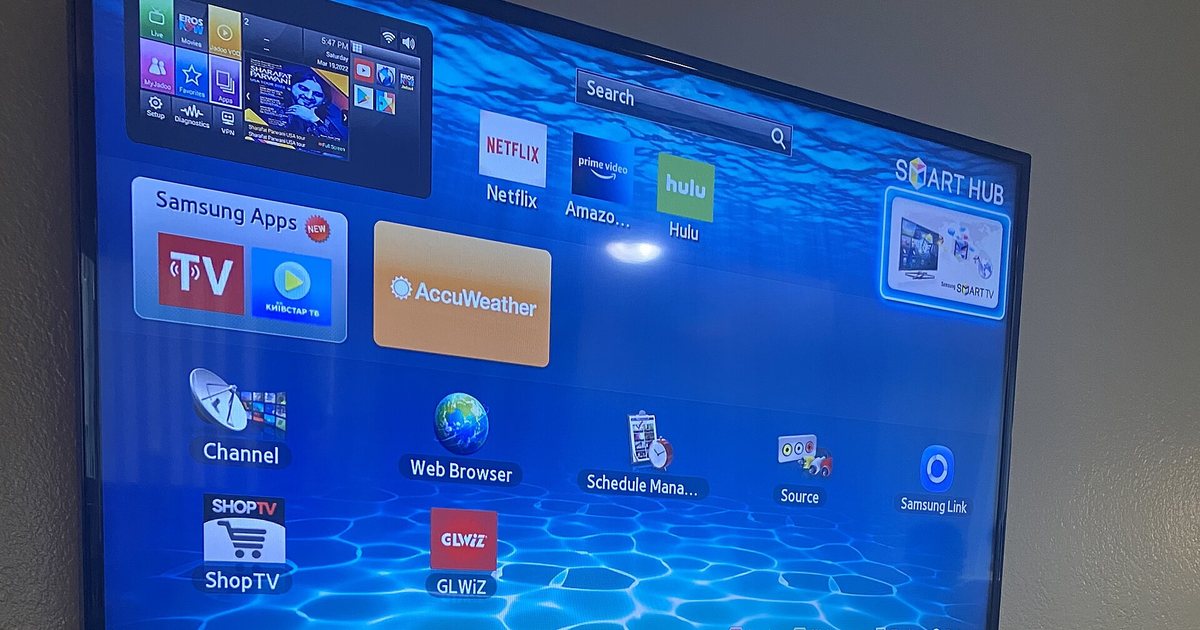
Image: AI-generated illustration (FLUX.1-schnell)
A cybersecurity researcher posting under the handle @log4j recently posted root logs from a 2025 Samsung smart TV on X. The findings raise concerns that screens without built-in microphones might still monitor living rooms through connected devices.
Root logs reveal Samsung TVs scan for external mics
After gaining administrator root access to his 2025 Samsung smart TV, researcher @log4j posted technical system logs online. He discovered code instructing televisions without built-in microphones to scan for active mics on connected Bluetooth speakers and soundbars.
System logs revealed the television tagging ambient audio events like dog barks and baby cries under a code named 'EV201/SOUNDSENSOR_ON'. The set recorded counts of these specific household noise events and transmitted the data back to Samsung servers.
The researcher also uncovered telemetry tracking user actions inside apps, including logged ad skips on YouTube. During his technical investigation, @log4j reported that his OpenAI account was banned for alleged cyber abuse.
Are connected soundbars secretly recording your room?
Claims that Samsung smart TVs actively wiretap private household conversations remain unverified. While code confirms the television checks for connected microphones, no evidence proves it secretly records or transmits raw audio conversations.
A test by Hugging Face engineer @ngxson showed a rooted TV microphone activating for only five seconds before shutting off for several hours. TechRadar noted the system appears to check if nearby peripherals possess microphones rather than secretly capturing chatter. While Samsung advertises baby-crying and dog-barking detection for SmartThings alerts, the company does not explicitly disclose that event counts are sent to corporate servers.
Concerns stem partly from historical precedent. In 2015, Samsung faced heavy criticism when its privacy policy warned that voice search data could be sent to third-party provider Nuance, with security firm Pen Test Partners discovering unencrypted transmissions on older models.
| Era | Feature Scrutinized | Observed Telemetry Behavior |
|---|---|---|
| 2015 Controversy | Voice search via remote | Unencrypted voice data sent to third party |
| 2026 Findings | Connected device mic scanning | Logs specific noise events and YouTube ad skips |
How smart TV telemetry affects your home privacy
Modern smart TVs gather vast amounts of behavioral data directly from your living room. A California class-action lawsuit claims Automatic Content Recognition (ACR) technology analyzes on-screen content roughly every 0.5 seconds to profile viewers for targeted ads. Some speculate that this extensive data collection helps manufacturers subsidize hardware costs, keeping retail TV prices low.
Logging household sounds like barking dogs or crying babies gives advertisers granular details about your daily family routine.
Disabling these tracking settings might not fully stop the data flow. Independent testing by Northeastern University found Samsung TVs sending encrypted telemetry data even after users turned off ACR.
Pending corporate responses and upcoming research reports
Researcher @log4j is currently preparing a detailed report complete with replication steps for other security experts. Media outlet Mashable has reached out to Samsung for comment regarding the findings.
Meanwhile, a class-action lawsuit filed on October 6, 2026, by three California residents over unauthorized ACR data collection continues through Northern California federal court.
FAQ
Can a Samsung TV without a microphone listen to me?
Code shows the TV scans for connected microphones, but no evidence proves it secretly records private conversations.
Does turning off ACR stop all Samsung TV tracking?
Turning off ACR limits targeted ad content, but tests show encrypted telemetry data may still be sent.
Sources
mashable.commashable.commashable.comsea.mashable.comallaboutcookies.orgallaboutcookies.orgetvbharat.cometvbharat.comreddit.comreddit.comResearched from public reporting (including Korean-language sources) and written with AI assistance. Check the original articles for details.