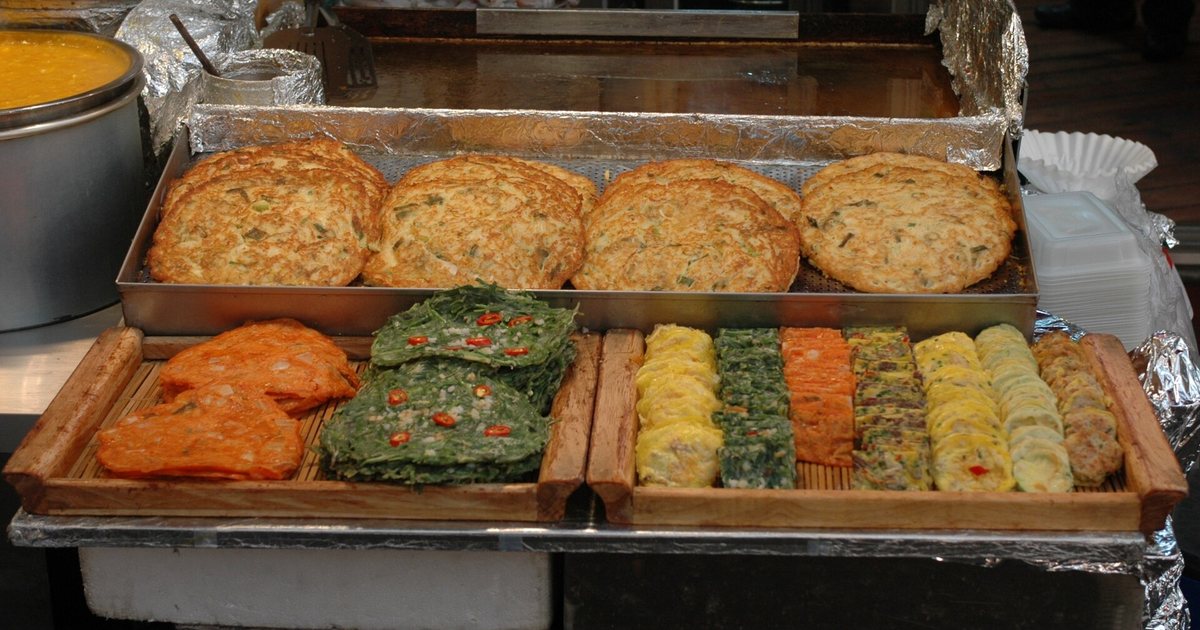
Photo: Korean pancakes and pan-fried foods at Gwangjang Market.jpg · Pfc. Bo Park, 2ID PAO, US Army · Public domain · cropped (file photo)
We may earn a commission if you book through these links, at no extra cost to you.
Namdaemun and Gwangjang markets offer two completely distinct windows into Seoul culture just minutes from Myeongdong. If you want authentic street food and lively night markets, budget two hours for Gwangjang; if you prefer affordable retail and local lunch stalls, spend a half-day at Namdaemun.
Is It Worth Visiting and How to Reach Each Market from Myeongdong
Both market destinations are worth adding to your Seoul trip because they fulfill entirely different needs. Gwangjang Market gained global recognition through Netflix shows like Street Food Asia and focuses on packed, energetic dining stalls. Namdaemun Market offers a massive local shopping environment paired with historic food alleys that serve authentic comfort dishes.
Reaching Namdaemun Market from Myeongdong takes minimal effort and money. You can walk roughly 10 to 15 minutes heading west past the Shinsegae Department Store for about 790 meters to 1 kilometer. Alternatively, take Seoul Subway Line 4 from Myeongdong Station to Hoehyeon Station, which takes 1 to 5 minutes for just one stop.
Getting to Gwangjang Market requires a slightly longer trip north. A taxi ride is the fastest option, taking 2 to 3 minutes depending on traffic. You can also ride Subway Line 4 from Myeongdong Station to Dongdaemun Station, transfer to Line 1, and get off at Jongno 5-ga Station Exit 8 or 9 in roughly 14 minutes. Walking takes about 25 minutes over a 2.1-kilometer distance.
What to book
A guided walking tour takes you directly to authentic stalls without language barrier stress. You will sample classics like bindaetteok, mayak gimbap, and kalguksu while learning market history.
💡 Arrive with an empty stomach because food tastings across the stalls are filling.
Google Maps offers limited walking directions in South Korea, making real-time mobile data critical for map apps. An eSIM activates instantly upon arrival without swapping physical cards.
💡 Install the eSIM profile over home Wi-Fi before landing in Seoul.
Navigating busy market streets with bags or after long walking tours can be tiring. Booking private transfers guarantees door-to-door transport with locked pricing.
💡 Schedule pickups slightly outside main market entrances to avoid narrow pedestrian crowds.
Prices are rough guides and change often — check the booking page for today's price.
Schedules, Best Hours, and Real Dish Costs
Timing your visit correctly prevents arriving at closed shutters or fighting unmanageable crowds. At Gwangjang Market, retail shops run from 9:00 AM to 6:00 PM Monday through Saturday, while the food alley stays open daily until 11:00 PM. Weekday mornings are the quietest time to visit, whereas lunch hours from 12:00 PM to 2:00 PM and full weekends bring heavy crowds.
Namdaemun Market operates continuous wholesale activity from midnight to 11:00 PM on weekdays, but retail stalls peak between 10:00 AM and 2:00 PM. Food alleys in Namdaemun serve hungry shoppers from 11:00 AM to 9:00 PM. Most general stalls at Namdaemun close entirely on Sundays, making weekend planning essential.
Meal costs across both traditional markets remain reasonable compared to tourist restaurants. A typical full meal at Gwangjang costs between ₩6,000 and ₩8,000, with famous mung bean pancakes (bindaetteok) ranging from ₩5,000 to ₩7,000. In Namdaemun's Kalguksu Alley, a bowl of fresh hand-cut noodles costs roughly ₩7,000 to ₩9,000 and usually comes with complimentary side dishes.
| Market Destination | Optimal Hours | Must-Try Dishes & Prices | Transit From Myeongdong |
|---|---|---|---|
| Namdaemun Market | 10:00 AM – 2:00 PM (Closed Sun) | Kalguksu (knife-cut noodles): ₩7,000–₩9,000 | Walk 10–15 mins or Line 4 subway (1 stop, ₩1,400–₩4,000) |
| Gwangjang Market (Food Alley) | 9:00 AM – 11:00 PM (Daily) | Bindaetteok (mung bean pancake): ₩5,000–₩7,000 | Subway Line 4 to Line 1 (~14 mins) or Taxi (₩7,000–₩9,000) |
| Gwangjang Market (Retail Shops) | 9:00 AM – 6:00 PM (Closed Sun) | Vintage clothes, fabrics, Korean blankets | Subway Line 2 to Euljiro 4-ga or Line 1 to Jongno 5-ga |
Common Tourist Mistakes, Price Inflations, and Etiquette
Price markups targeted at foreign tourists occasionally happen at high-traffic stalls in Gwangjang Market. While standard bindaetteok costs ₩5,000 to ₩7,000, unvetted stalls sometimes quote ₩12,000 to ₩15,000 to unsuspecting tourists. Always double-check posted menus or walk to neighboring stalls if quoted prices seem excessively high.
Cash payment remains essential when navigating smaller vendor stalls in both traditional markets. Credit cards are accepted at larger establishments, but small food stalls prefer physical cash in small bill denominations. Keep bills smaller than ₩50,000 ready to pay vendors smoothly.
Language barriers are common in Namdaemun, where many vendor owners speak limited English. Carrying translation apps or pointing at dish photo menus resolves order issues easily. After finishing your meal at market counter stalls, hand your dishes, cups, and skewers directly back to the cook.
Market Choice Checklist and Fast Itinerary
Choosing between these markets depends entirely on what you want to experience during your stay near Myeongdong. Select Gwangjang if your primary focus is trying famous street food like mayak gimbap, tteokbokki, and mung bean pancakes in a social setting. Select Namdaemun if you prefer picking up local souvenirs, clothing, or camera gear before lunch.
A clean one-day market itinerary starts with morning shopping at Namdaemun followed by late afternoon dining at Gwangjang. Spend 10:00 AM to 12:00 PM exploring Namdaemun's retail corridors and enjoying a hot bowl of noodles in Kalguksu Alley. Walk back through Myeongdong or take a quick subway ride to Jongno 5-ga to spend the evening sampling snacks across Gwangjang's main food thoroughfare.
No advance reservations are required for individual food stalls at either location. If you prefer structured commentary, guided street food walking tours run regularly and explain the cultural background of every dish you sample.
FAQ
Are Namdaemun and Gwangjang markets open on Sundays?
The general retail shops at both markets are closed on Sundays. However, Gwangjang Market's food alley stays open 365 days a year from 9:00 AM to 11:00 PM.
How much cash should I carry when visiting traditional markets?
Carrying ₩20,000 to ₩40,000 per person in small cash bills is usually sufficient for street food dishes and minor market purchases.
Sources
museumofwander.commuseumofwander.comaccor.comnovotel.accor.comnomadotravel.appnomadotravel.appvisitseoul.netenglish.visitseoul.netseoul-spirit.comseoul-spirit.comcreatrip.comcreatrip.comunniespicking.comunniespicking.comrome2rio.comrome2rio.comResearched from public reporting (including Korean-language sources) and written with AI assistance. Check the original articles for details.